Author: j cynthia mcdermott
-

Meeting Needs in All the Wrong Ways
Young men’s violence can’t be understood apart from the larger culture that fosters it. Effective prevention must weave together individual interventions and systemic accountability to address the collective failures that lead to these tragedies.
-

School Democracy
School democracy often appears democratic but reinforces adult authority, limiting genuine youth participation. While structures exist for student voice, they typically lack real influence, reflecting adultist dynamics. Activism and innovative pedagogies offer resistance.
-
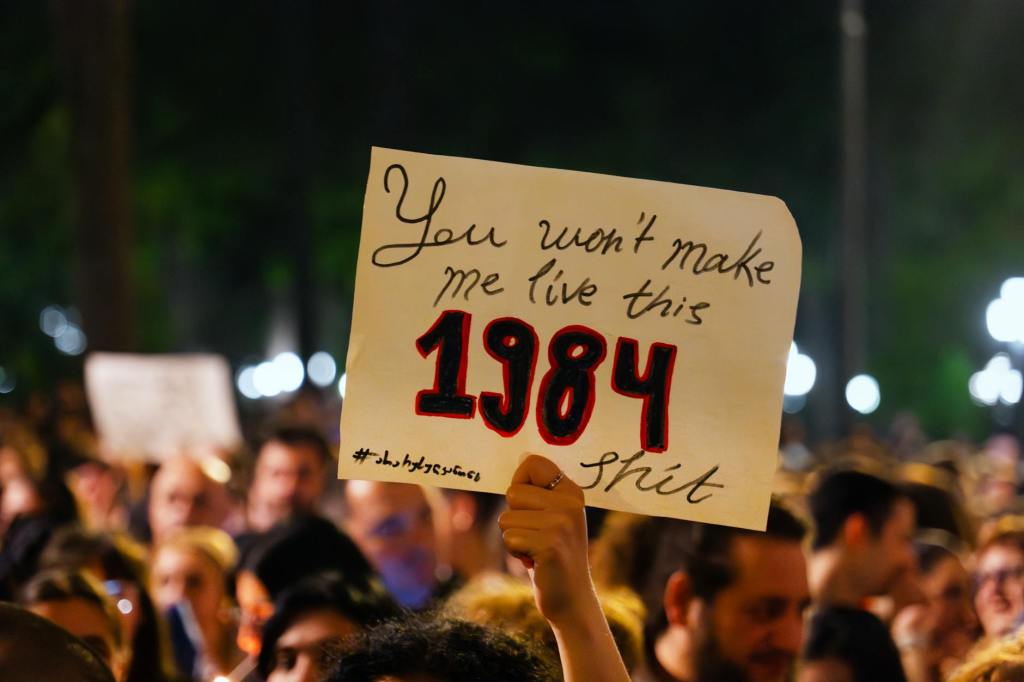
Why George Orwell is Essential Reading
Rebecca Solnit’s Orwell’s Roses emphasizes George Orwell’s appreciation for beauty and joy as forms of resistance against authoritarianism, melding personal pleasure with political clarity in today’s precarious landscape.
-

The dunning-kruger effect: An orange wonders why others can’t see the truth
The Dunning-Kruger effect explains why people with limited knowledge often overestimate their abilities, while more knowledgeable individuals tend to underestimate themselves, leading to misinformed confidence.
-

Increasing Innate Curiosity
The post outlines effective K-12 strategies to enhance students’ curiosity and questioning skills, including routines, subject-specific techniques, assessment methods, and cultural practices to sustain engagement.
-

What Is Collective Learning?
Collective learning enhances collaborative education by enabling groups to co-create, share, and preserve knowledge. This process distributes wisdom across members, fostering cultural memory and leading to joint problem-solving. Despite its benefits in promoting engagement and understanding, it’s underused due to educators’ fear of failure.
-

Myles Horton and The Pedagogy of Protest
Myles Horton, an influential educator, emphasized democracy through grassroots collective action at the Highlander Folk School, teaching ordinary people to mobilize against injustice, shaping pivotal movements for racial and economic justice.
-
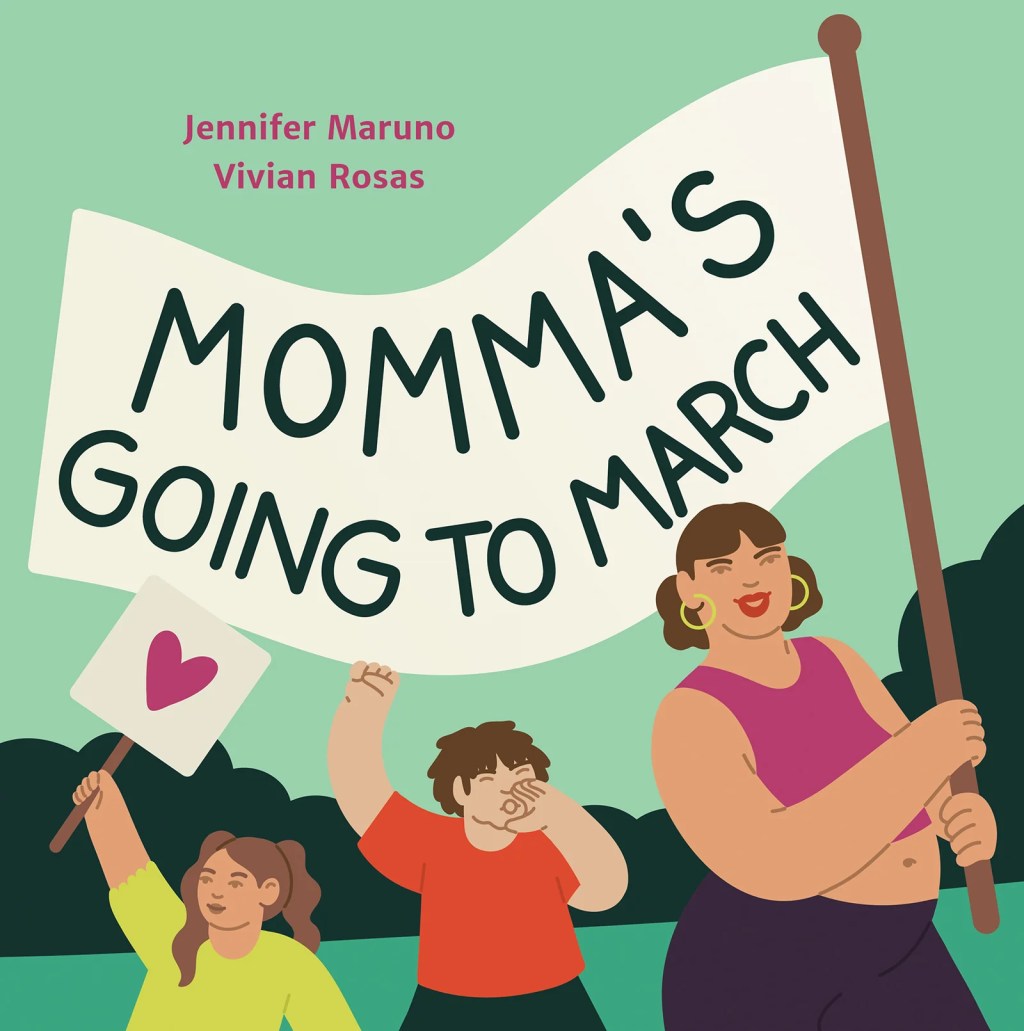
Momma’s Going to March, winner of the 2025 Horace Mann Upstander Award
This is a write-up of “Momma’s Going to March” by Jennifer Maruno, winner of the 2025 Upstander Award.
-
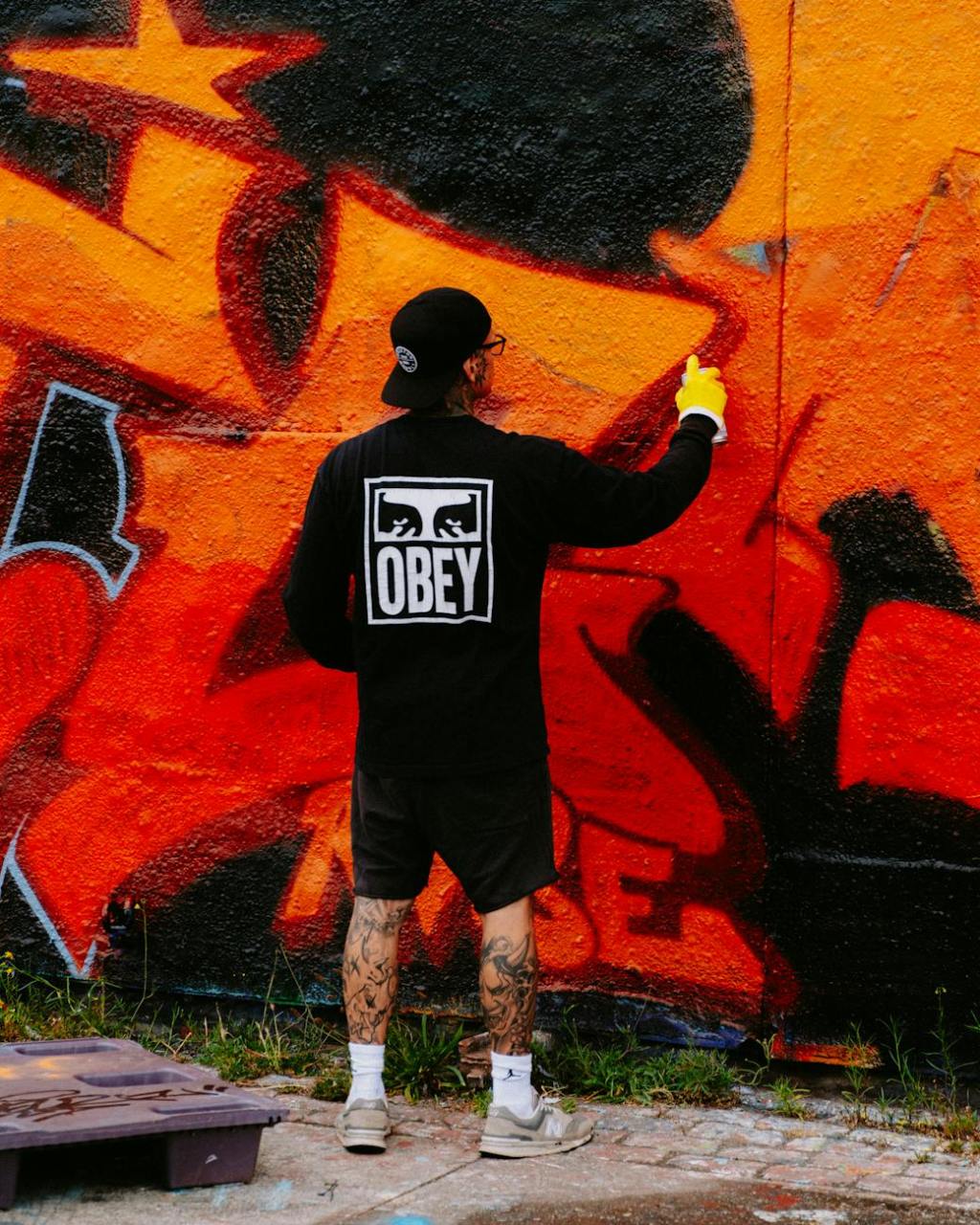
Don’t Comply—Organize.
So if you’re a teacher, don’t whitewash your syllabus. If you’re a student, don’t be afraid to ask hard questions. If you’re a parent, don’t let extremists hijack your school board. If you’re a journalist, don’t water down your story to appease power. If you’re a university leader, don’t chase neutrality—lead with courage. You Might…

 Progressive Teachers Network